The Cover Between the Quotes: Insuring a Bristol Loft Before the Scaffold Goes Up

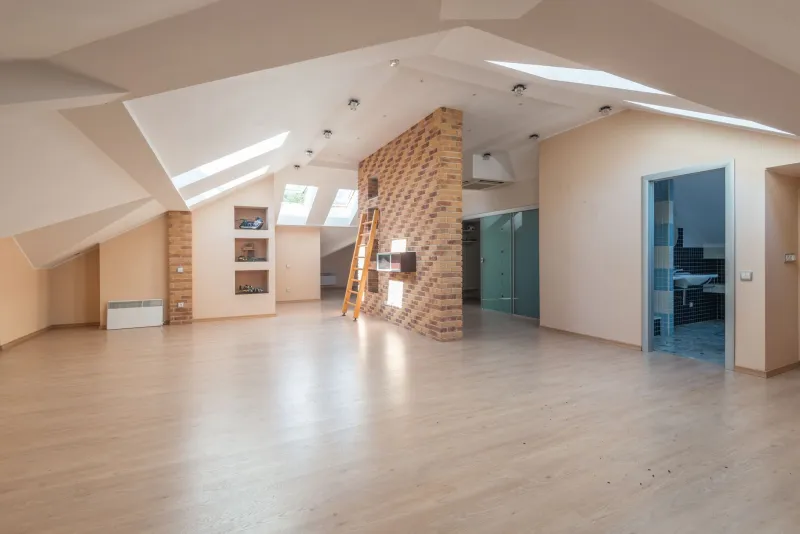
Photo by Photo by Gonzalo Facello on Unsplash on Unsplash
Most Bristol loft projects begin with a builder's quote and a planning portal login. Insurance comes later, usually after someone mentions scaffolding. That order is understandable. It is also how homeowners end up standing in a half-finished loft, listening to two insurers explain that the damage sits just outside both policies.
The gap is rarely one dramatic omission. It is a handshake problem. Your buildings policy and your builder's public liability policy are designed for different things, and the middle ground — contract works, scaffolding, party walls, accidental damage during alterations — needs to be stitched together deliberately. On a Bristol terrace, that middle ground is bigger than it looks.
Two policies, one awkward handshake
Public liability is not a maintenance policy for your house. It usually responds when the builder causes injury or damage to someone else's person or property through negligence. It may not cover damage to the works themselves, your existing structure, or the cost of putting right their own poor workmanship. Your buildings insurance, meanwhile, covers the home you already own, but many standard policies exclude or limit alterations, contract works and scaffolding. Some exclude damage caused by faulty workmanship. Others cover escape of water but not the gradual leak behind a new boxed-in pipe.
The result is a familiar Bristol conversation. A roof light leaks during a storm. The builder says his public liability policy is for third-party damage, not his own work. Your insurer says the loft was mid-conversion and contract works were not covered. The plasterboard comes down and everyone looks at the small print.
Why terraces raise the stakes
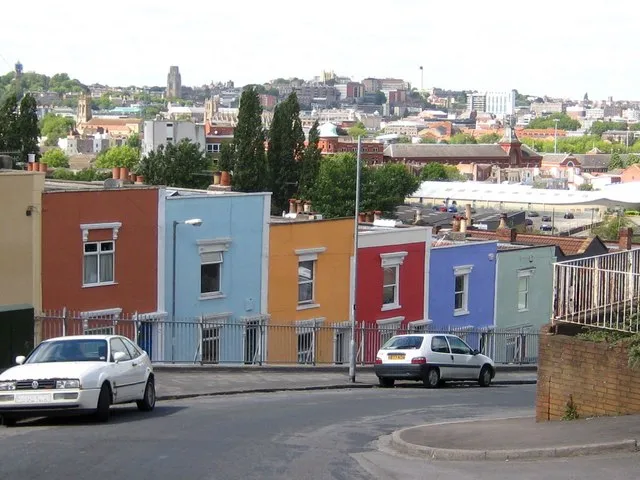
Bristol's terraced streets are brilliant at many things. They are less brilliant at containing a problem. Scaffolding often spans party walls, sits over a neighbour's garden or needs access through a shared passage. A leak in one roof can travel into the next house. A scaffold board that comes loose in high wind does not check whose boundary it is on.
That matters because public liability may respond to a neighbour's damaged ceiling if negligence is established, but it will not automatically solve the dispute. Your own buildings policy may not cover your neighbour's property at all. A party wall award can set out responsibilities, but it is not an insurance policy. If the award says the building owner must make good damage, you need to know which policy actually pays for that work.
Then there is the council side. Scaffolding on or over the highway usually needs a licence, and in conservation areas — Clifton, Redland, parts of central Bristol — the practical and financial consequences of getting it wrong are higher. None of that is insurance, but it all feeds the same risk.
The three moments the gap shows up
The first is before the scaffold goes up. Homeowners often tell their insurer about a 'small loft job' and forget to mention scaffolding, structural alterations, a new ensuite or the fact that the house will be missing a normal roof for weeks. The policy may still be valid, but the cover may not be what you assume.
The second is during the build. A storm lifts a scaffold sheet, a tile breaks, water gets into a bedroom, or a tradesperson knocks into a neighbour's wall. Everyone is sympathetic until someone asks whose insurance responds. Excesses, negligence arguments and 'that's wear and tear' can turn a manageable repair into a months-long standoff.
The third is after completion. The loft looks lovely. Then an ensuite waste pipe leaks, a roof light fails, or building control asks for a detail that was never signed off. A builder's guarantee may cover rectification, but it is not the same as insurance. If the firm has stopped trading, or the policy was never set up to cover the finished room, the homeowner carries the cost.
What to check before the first skip arrives
Start with a phone call to your insurer, not a web chat. Use plain words: loft conversion, scaffolding, structural alterations, contract works, new bathroom. Ask whether your current policy covers the work, what exclusions apply, and whether you need a renovation or contract works extension. Get the answer in writing.
Ask your builder for his public liability certificate and check the limit, the policy dates and the type of work covered. If he employs people, employer's liability should be in place. If he is providing design or acting as principal designer, ask about professional indemnity. Do not accept a screenshot of a certificate from three years ago.
Read the contract for the insurance clause. Who insures the contract works? Who pays the excess if there is a claim? Who is responsible for site security and temporary protection? What happens if the job stops for a month? A clear contract will not stop a leak, but it will stop the blame game.
Sort out the party wall position early. If a notice is needed, serve it. If an award is agreed, read the insurance and damage sections. Tell your neighbour what is happening, especially about scaffolding and access. A short conversation now is cheaper than a dispute later.
For the scaffold itself, check the licence, the design, the tie-in method and who inspects it after storms. Photograph the house and neighbouring property before work starts. Keep receipts, certificates and emails in one folder.
The questions that actually get answers
Ask your broker: if the scaffold blows over and damages a neighbour's car, which policy responds? If rain gets in around a new roof light and ruins new plaster, is that contract works or buildings cover? If the builder's employee is injured on my property, who pays? If the job is abandoned, is the site still covered?
Those questions sound pessimistic. They are actually the quickest way to find the gap while it is still theoretical. A broker who cannot answer them clearly is not the right broker for a renovation.
Don't forget the finished loft
When the job is done, tell your insurer. The loft is no longer a building site; it is a habitable room with a bathroom, stairs and a higher rebuild cost. Update the sum insured if needed. Keep the completion certificate, building regulations sign-off and any guarantees. Check that escape of water from the new ensuite is covered, and that the roof lights are included in the buildings sum.
Bristol loft conversions are expensive enough without paying twice for the same problem. The insurance conversation is not the glamorous part of the project. It is the part that lets you sleep when the scaffold is up and the weather turns.