The Last Payment Walk: Snagging a Bristol Loft Without Missing the Expensive Bits
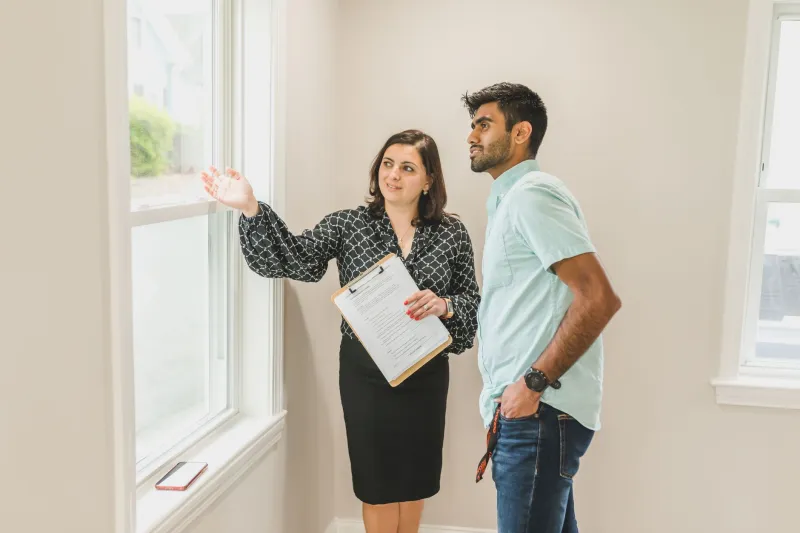
Most loft conversions end with a version of the same scene. The builder walks you round, points at the skylights, says the plasterer has done a lovely job, and asks for the final balance. It feels awkward to start opening windows and tapping skirting boards when everyone is being friendly. But that last payment is the last bit of leverage you have. In a city where Victorian terraces can hide as many quirks as a Clifton conservation area, a proper final walk is not nit-picking. It is the difference between a snag list that gets fixed and a defect that quietly becomes your problem in January.
Start with the stairs, not the skylight
The stairs are the first thing you use every day and one of the easiest places for small problems to hide. Walk up and down slowly. Listen for creaks, but also feel for movement at the treads and nosings. Check the handrail is solid, the spindles are evenly spaced, and the gap at the top and bottom of the staircase feels safe rather than hopeful. If the stairs sit above a protected route, look at the underside: is it correctly enclosed, and has any fire-rated plasterboard been patched or pierced for cables?
Headroom over the stairs matters too. A staircase can pass Building Control and still feel tight in daily use, especially in a narrow Bishopston or Bedminster terrace. Take a tape measure rather than relying on a builder's assurance.
Headroom is a tape-measure job
Stand in the middle of the room and at the edges. Measure the clear height at the highest point, at the eaves, and in the doorway. Sloped ceilings are fine, but low spots near the bed or wardrobe can make a room feel smaller than the floor plan promised. Check the loft hatch as well. Does it open fully without scraping? Is it insulated, draught-sealed, and easy enough to use without a step ladder balanced on a landing?
If the conversion includes storage, look inside it. Builders sometimes finish the visible room beautifully and leave the eaves access rough, cold, or full of offcuts. That is not a deal-breaker, but it should be on the list.
Windows and glazing: look for the boring stuff
Open and close every window. Check the handles, hinges, restrictors, and trickle vents. A roof window that sticks in November may be worse in July. Look for condensation between panes, scratched glass, damaged seals, and poor flashing detail around the outside if it is safely visible. In conservation areas such as Redland or Clifton, the window choice may have been agreed with the planners, so make sure what was fitted matches what was approved.
Blinds and shading are worth testing now, before furniture arrives. A west-facing Bristol loft can be lovely in the evening and unbearable at 4pm in June. If solar shading was specified, check it works. If it was not, note it as a future cost rather than pretending it will be fine.
Ventilation and condensation
Bathrooms and shower rooms need more than an open window. Check the extractor actually runs, that it is ducted properly, and that it clears steam rather than just making noise. If there is a mechanical ventilation system, ask for the commissioning information and test the boost setting. Trickle vents should open, close, and stay where you put them.
Look for early signs of condensation on cold surfaces, especially around roof windows and in corners. Fresh plaster can hold moisture, but persistent damp patches are a different conversation. In a well-sealed loft, ventilation is not a luxury extra.
Fire doors and the escape route
This is the part nobody enjoys testing. Fire doors should close firmly on their own, sit neatly in the frame, and have intact intumescent strips and smoke seals. Check the gaps are consistent. Make sure the escape route is not blocked by a wardrobe, a badly placed radiator, or a door that swings into the landing.
Ask for the Building Control completion certificate if it has not already been provided. In 2026, a Bristol loft without the right paperwork can become a problem when you sell, remortgage, or insure the house. A friendly builder saying it has all been signed off is not the same as holding the document.
Acoustics: listen before the furniture arrives
Stand in the new room with the door closed and the house quiet. Can you hear the TV downstairs, footsteps on the landing, or next door's bathroom fan? Some sound transfer is normal in a terraced house, but a hollow-sounding floor or a party wall that transmits every conversation is worth raising now. Ask what acoustic insulation was installed and whether it matches the specification.
Rain is useful here. If you can visit during a shower, listen to how noisy the roof windows and roof structure are. Bristol weather will test the detail soon enough.
Drainage and anything with a water supply
If the loft has an en-suite, run the shower, basin, and toilet for longer than feels polite. Check the shower drains without pooling, the trap is accessible, and the waste pipe does not leak under the floor. Look for isolation valves and make sure you know where they are. Test the toilet flush and check the seal at the base.
Small leaks are much easier to fix before the final payment than after the bathroom has been tiled, painted, and filled with towels.
Finishes: the last 10% that shows
Walk round with a torch, even in daylight. Look along skirting boards, window reveals, and ceiling lines. Check for cracks, gaps, uneven paint, damaged sockets, and loose handles. Open and close every door. Test every light switch and socket. Look at the flooring where it meets the walls and around the stair opening.
Cosmetic snags are easy to dismiss, but they are also the ones you will stare at every day. A good builder will expect a list. A defensive builder is telling you something useful.
How to document and what to hold back
Take dated photos and write a clear list, room by room. Separate safety issues, water problems, and unfinished work from minor cosmetic touches. Send the list in writing and agree a timescale for fixes. If your contract allows a retention, hold back the agreed amount rather than refusing the whole balance. Typically that might be around 5%, but check your contract rather than assuming.
The final walk should not turn into a standoff. It should be a calm, documented handover. Once the snags are fixed and the certificates are in your inbox, pay the balance and enjoy the extra space. Until then, keep the clipboard out. Your Bristol loft is a big investment, and the last hour of inspection is one of the cheapest bits of protection you will ever buy.